Introduction
Understanding baseball field positions explained is one of the most important steps for anyone who wants to learn baseball from scratch. Whether you are a beginner watching your first game or a player trying to improve your knowledge, knowing each position helps you enjoy the sport more deeply. Baseball is not just about hitting the ball; it is also about smart fielding, teamwork, and positioning.
When people first watch baseball, they often feel confused by where players stand and what each of them does. That is where baseball field positions explained becomes helpful. Each player has a specific role that contributes to the overall strategy of the team. From the pitcher who throws the ball to the outfielders who catch long hits, every position matters.
In this guide, we will break down all positions in a simple and clear way. You will learn what each player does, why their position is important, and how they work together as a team. By the end, you will fully understand the structure of a baseball field and feel confident watching or playing the game.
What is Baseball Field Positions Explained?
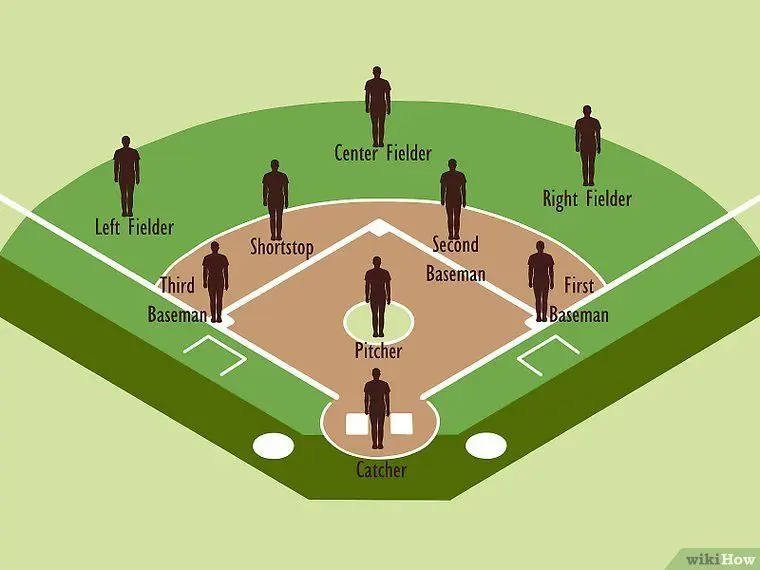
The term baseball field positions explained refers to understanding the roles and locations of all nine defensive players on a baseball field. Each position has a number and a name, which helps scorekeepers and fans follow the game easily.
There are nine main positions:
- Pitcher
- Catcher
- First Baseman
- Second Baseman
- Third Baseman
- Shortstop
- Left Fielder
- Center Fielder
- Right Fielder
Each of these positions plays a unique role in defense. The infield includes the pitcher, catcher, and four infielders. The outfield includes three players who cover long distances to catch or stop the ball.
Why is Baseball Field Positions Explained Important?
Knowing baseball field positions explained is important for several reasons. It helps players, coaches, and fans understand the flow of the game better. Without understanding positions, baseball can feel confusing and fast.
Here are some key reasons why it matters:
- It helps you follow the game easily
- It improves communication among players
- It builds better defensive strategies
- It increases your appreciation of teamwork
- It helps beginners learn faster
When you understand positions, you can predict plays and enjoy the game more. For example, knowing why a shortstop moves quickly to the left side makes the game more exciting. This is why baseball field positions explained is essential for both learning and enjoyment.
Detailed Step-by-Step Guide
Understanding the Infield Positions
The infield is where most action happens. It includes four key positions plus the pitcher and catcher.
Pitcher
The pitcher starts every play by throwing the ball toward the batter. Their goal is to make it difficult for the batter to hit the ball. A good pitcher uses speed, control, and strategy.
Catcher
The catcher stays behind home plate and catches pitches the batter does not hit. They also guide the pitcher and help control the game’s strategy.
First Baseman
The first baseman stands near first base and catches throws from other players to get batters out. They need strong catching skills and quick reactions.
Second Baseman
The second baseman covers the area between first and second base. They help with ground balls and double plays.
Third Baseman
The third baseman guards the area near third base. They need fast reflexes because balls come quickly in their direction.
Shortstop
The shortstop plays between second and third base. This is one of the most important defensive positions due to high action in that area.
Understanding the Outfield Positions
Outfielders cover large open areas and catch long-hit balls.
Left Fielder
The left fielder covers the left side of the outfield. They must react quickly to deep hits.
Center Fielder
The center fielder covers the largest area and is usually the fastest player. They often lead outfield coordination.
Right Fielder
The right fielder covers the right side and often makes strong throws to infield bases.
How Positions Work Together
In baseball field positions explained, teamwork is everything. Players must communicate and react quickly.
For example:
- A ground ball hit to shortstop may be thrown to first baseman
- A fly ball in the outfield may require center fielder support
- Catcher signals the pitcher for the next throw
Every movement is connected, making baseball a strategic game.
Benefits of Baseball Field Positions Explained
- Improves understanding of baseball rules
- Helps beginners learn faster
- Builds strong teamwork skills
- Enhances game watching experience
- Supports better coaching strategies
- Increases player confidence
- Makes scoring and analysis easier
Disadvantages / Risks
- Can be confusing for beginners at first
- Requires time to memorize all positions
- Needs practice to understand gameplay flow
- Miscommunication may lead to mistakes
- Overthinking positions can distract players
Common Mistakes to Avoid
When learning baseball field positions explained, beginners often make simple mistakes. Avoiding these helps improve your understanding quickly.
- Confusing infield and outfield roles
- Not learning position numbers
- Ignoring team coordination
- Thinking one position is more important than others
- Not practicing game scenarios
- Forgetting defensive responsibilities
Understanding each role clearly prevents confusion during matches.
FAQs
1. What are baseball field positions explained in simple terms?
They describe where each defensive player stands and what role they perform during a baseball game.
2. How many positions are there in baseball?
There are nine main defensive positions on the field.
3. Which is the most important position?
All positions are important, but the pitcher and shortstop are often considered highly critical.
4. What does the catcher do?
The catcher receives pitches, guides the pitcher, and helps control the game strategy.
5. Why is the center fielder important?
The center fielder covers the largest area and helps coordinate outfield defense.
6. Do players always stay in one position?
Not always. Players may switch positions depending on strategy or team needs.
Expert Tips & Bonus Points
To master baseball field positions explained, follow these expert tips:
- Watch live games and focus on player movement
- Learn position numbers for better scoring understanding
- Practice basic fielding drills regularly
- Study how professional teams rotate players
- Pay attention to defensive shifts during matches
Bonus tip: Try visualizing the field as a grid. This makes it easier to remember where each player stands and how they move.
Conclusion
Learning baseball field positions explained is one of the best ways to understand baseball deeply. Once you know where each player stands and what they do, the game becomes much more exciting and easier to follow. Every position, from pitcher to outfielder, plays a unique role that contributes to team success.
Baseball is not just a game of hitting and running. It is a game of strategy, timing, and teamwork. When all players understand their positions clearly, the team performs better and makes fewer mistakes.
As a beginner or intermediate learner, taking time to study baseball field positions explained will greatly improve your appreciation of the sport. You will start noticing small details like player movements, defensive shifts, and smart plays that you might have missed before.