
Introduction
Baseball is one of the most exciting sports in the world, but safety should always come first on the field. One of the most important pieces of protective equipment in the game is the baseball helmet. Whether a player is practicing batting skills, playing in a local league, or competing professionally, wearing the right helmet can reduce the risk of serious injuries. Many beginners focus on bats, gloves, and shoes, yet they often overlook the importance of quality head protection.
Modern baseball helmets are designed with advanced materials, comfortable padding, and improved ventilation systems. These features not only protect players from impact but also provide comfort during long games and training sessions. As the sport continues to grow, manufacturers are introducing better helmet designs that meet higher safety standards for both youth and adult players.
Choosing the right baseball helmet may seem simple at first, but several factors should be considered before making a purchase. Size, fit, material, face protection, and certification all play an important role in overall safety and performance. A poorly fitted helmet may move during gameplay and fail to provide proper protection.
This complete guide explains everything you need to know about baseball helmets, including their purpose, importance, benefits, risks, buying tips, and common mistakes to avoid. By the end of this article, beginners and intermediate players will have a clear understanding of how to choose and use the best helmet for safe and confident gameplay.
What is Baseball Helmets?
Baseball helmets are protective headgear designed to protect players from injuries caused by baseballs, bats, accidental collisions, and unexpected impacts during games or practice sessions. These helmets are commonly worn by batters, base runners, and sometimes coaches standing near the field.
Most baseball helmets are made from strong plastic or composite materials with soft inner padding for shock absorption. The outer shell protects the head from direct impact, while the inner foam reduces the force transferred to the skull.
Different types of baseball helmets are available for various age groups and playing levels. Some helmets include face guards or jaw protectors for additional safety, especially for younger players. Professional players may prefer lightweight helmets with improved ventilation and customized fitting systems.
Modern baseball helmets must meet safety standards established by sports organizations. Certified helmets are tested to ensure they provide reliable protection during gameplay.
Why is Baseball Helmets Important?
Baseball may not appear as dangerous as some contact sports, but head injuries are still common when players are hit by fast-moving balls or bats. A baseball traveling at high speed can cause severe injuries if proper protection is not used.
Baseball helmets are important because they help reduce the risk of skull fractures, concussions, facial injuries, and other serious accidents. Even experienced players can lose focus for a second and get hit unexpectedly.
Young players especially need reliable helmets because their bodies are still developing. Wearing a properly fitted helmet gives parents, coaches, and players greater confidence during games and practice sessions.
Another reason baseball helmets are important is that many leagues require approved helmets as part of official safety rules. Players without proper helmets may not be allowed to participate in games.
In addition to safety, modern helmets improve player comfort. Lightweight designs, breathable padding, and moisture control systems help players stay focused without discomfort.
Detailed Step-by-Step Guide
Understand the Different Types of Baseball Helmets
Before buying a helmet, it is important to understand the different styles available.
Single-ear flap helmets are commonly used in baseball and protect the side of the face facing the pitcher. Double-ear flap helmets provide protection on both sides and are often required for youth leagues.
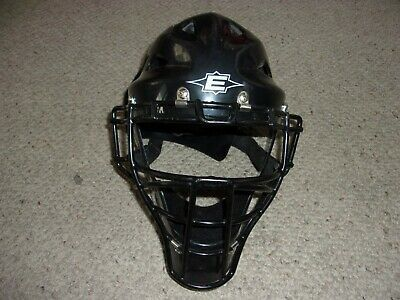
Helmets with face guards offer extra protection for younger players who are still learning batting techniques. Some advanced helmets also include jaw extensions for added facial safety.
Choose the Correct Helmet Size
Helmet size is one of the most important factors in player safety.
Use a measuring tape to measure the circumference of the player’s head above the eyebrows. Compare the measurement with the manufacturer’s sizing chart.
A helmet should fit securely without feeling overly tight. It should stay in place when the player moves the head from side to side.
A loose helmet can shift during impact and reduce protection, while a tight helmet may cause discomfort and headaches.
Check Safety Certifications
Always choose baseball helmets that meet recognized safety standards.
Look for certification labels from trusted sports safety organizations. Certified helmets go through impact testing to ensure reliable protection.
Avoid purchasing damaged or uncertified helmets, even if they appear cheaper.
Examine the Material Quality
High-quality materials improve durability and protection.
Most baseball helmets use hard ABS plastic shells or composite materials for impact resistance. The inside should contain thick foam padding to absorb shock effectively.
Strong materials help the helmet last longer while maintaining safety performance.
Focus on Comfort and Ventilation
Comfort is essential for maintaining focus during games.
Choose baseball helmets with breathable padding and multiple ventilation holes. Good airflow helps reduce sweating and keeps players comfortable during warm weather.
Moisture-wicking liners can also improve comfort during long training sessions.
Decide if Extra Face Protection is Needed
Some players benefit from additional face guards or jaw protectors.
Youth players and beginners often feel more confident with extra facial protection. These features can reduce the risk of injuries from wild pitches or accidental bat contact.
Many leagues now encourage or require extended jaw guards for added safety.
Test the Helmet Before Use
Players should test the helmet before entering a game.
Wear the helmet for several minutes and move naturally to check comfort and visibility. Make sure the helmet does not block vision or shift during movement.
Testing ensures the helmet performs correctly under real playing conditions.
Maintain and Clean the Helmet Properly
Regular maintenance extends helmet life.
Clean the outer shell with mild soap and water after games. Remove dirt, sweat, and moisture from the inner padding.
Avoid exposing the helmet to excessive heat because high temperatures can weaken protective materials.
Inspect the helmet regularly for cracks, dents, or loose parts.
Replace Old or Damaged Helmets
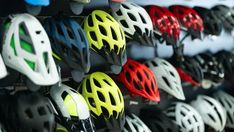
Even durable baseball helmets eventually need replacement.
Replace helmets immediately after severe impacts or visible damage. Older helmets may lose their protective strength over time.
Following manufacturer replacement recommendations helps maintain player safety.
Benefits of Baseball Helmets
Baseball helmets offer several important benefits for players of all skill levels.
- Protect the head from fast-moving baseball impacts
- Reduce the risk of concussions and skull injuries
- Improve player confidence during batting and running
- Provide additional facial safety with guards and extensions
- Help players follow league safety regulations
- Increase comfort through lightweight and ventilated designs
- Offer better focus during gameplay
- Support safe participation for youth athletes
- Minimize the chance of long-term head trauma
- Improve overall sports safety awareness
Disadvantages / Risks
Although baseball helmets provide strong protection, some disadvantages and risks still exist.
- Low-quality helmets may crack under heavy impact
- Poorly fitted helmets can move during gameplay
- Cheap padding may become uncomfortable over time
- Heavy helmets may cause neck strain for younger players
- Limited ventilation can increase sweating in hot weather
- Damaged helmets may create a false sense of safety
- Some players may rely too heavily on protective gear and ignore safe playing habits
- Improper cleaning can reduce helmet lifespan
Common Mistakes to Avoid
Many players and parents make simple mistakes when choosing or using baseball helmets. Avoiding these problems can improve safety and comfort.
One common mistake is buying the wrong helmet size. Some players choose larger helmets expecting room for growth, but loose helmets cannot provide proper protection.
Another mistake is ignoring safety certifications. Certified baseball helmets go through strict testing, while uncertified models may not meet safety standards.
Many people also continue using damaged helmets after impacts. Even small cracks can weaken protection significantly.
Some players prioritize style over safety. While appearance matters, protection should always come first.
Another issue is failing to clean helmets regularly. Sweat and dirt can damage inner padding and create unpleasant odors.
Parents sometimes purchase adult helmets for children because they seem more durable. However, youth helmets are designed specifically for younger players and usually provide a better fit.
Finally, many players forget to replace old helmets. Protective materials naturally weaken over time, especially after repeated use.
FAQs
What age should children start wearing baseball helmets?
Children should wear baseball helmets as soon as they begin practicing batting or participating in organized baseball activities. Early use helps build safe habits and reduces injury risks.
How do I know if a baseball helmet fits correctly?
A proper helmet should fit snugly without causing pain. It should stay secure during movement and should not slide around on the head.
Are face guards necessary for baseball helmets?
Face guards are highly recommended for younger players and beginners. They provide additional protection for the jaw, mouth, and face during batting.
How often should baseball helmets be replaced?
Replacement depends on usage, impact history, and manufacturer recommendations. Helmets showing cracks, dents, or damaged padding should be replaced immediately.
Can players share baseball helmets?
Sharing helmets is not ideal because head sizes and fit requirements vary. Shared helmets may also spread bacteria if not cleaned properly.
Do professional players use special baseball helmets?
Professional players often use customized helmets designed for comfort, ventilation, and advanced protection. Many also add jaw guards for extra safety.
What material is best for baseball helmets?
ABS plastic and composite materials are popular because they offer strong impact resistance while remaining lightweight.
Can baseball helmets prevent concussions completely?
No helmet can completely eliminate concussion risks. However, high-quality baseball helmets significantly reduce the force of impacts and lower injury risks.
Expert Tips & Bonus Points
Always try on multiple helmets before buying one. Different brands may fit differently even if the sizes appear similar.
Choose lightweight baseball helmets for younger players because heavy helmets can create discomfort during long games.
Store helmets in cool, dry places away from direct sunlight. Excessive heat can weaken protective materials.
Players with long hair should test helmet comfort carefully because hairstyle changes can affect fit.
Use helmets with moisture-wicking liners for better comfort during summer practices.
Inspect chin straps and face guards regularly to ensure all parts remain secure.
Parents should involve children in the fitting process so they feel comfortable and confident wearing the helmet.
If possible, select helmets with adjustable padding systems for improved customization.
Keep a backup helmet available during tournaments or extended practice sessions.
Remember that baseball helmets work best when combined with proper coaching, safe playing techniques, and awareness on the field.
Conclusion
Baseball helmets are one of the most important safety tools in the sport. They protect players from potentially serious injuries caused by fast-moving balls, accidental bat contact, and collisions during games or practice sessions. Whether someone is a beginner learning the basics or an experienced athlete competing regularly, choosing the right helmet is essential for both safety and performance.
Modern baseball helmets offer much more than simple protection. Advanced materials, comfortable padding, ventilation systems, and additional face guards help players stay comfortable and confident throughout games. Proper sizing and certified safety standards also play a major role in ensuring reliable protection.
Understanding the different types of baseball helmets, checking material quality, testing fit, and replacing damaged equipment can make a significant difference in overall player safety. At the same time, avoiding common mistakes such as using loose or cracked helmets helps reduce unnecessary risks.
Parents, coaches, and players should always prioritize safety over appearance or price. Investing in a quality helmet is a smart decision that supports long-term health and confidence on the field.